
Facial jaw disorders related to dentistry typically involve issues with the teeth, jaw joints (TMJ), and the muscles used for chewing. Common conditions include Temporomandibular Disorders (TMD), bruxism (teeth grinding), and bite misalignment. These can cause symptoms such as jaw pain, facial discomfort, headaches, tooth wear, and difficulty opening or closing the mouth. Dental assessments play a key role in diagnosing the cause, and treatment may include bite splints, adjustments to the bite, or referral to a specialist. Early diagnosis and management are essential to relieve symptoms and prevent further dental complications.
Read more below.

What are Temporomandibular Disorders (TMD)?
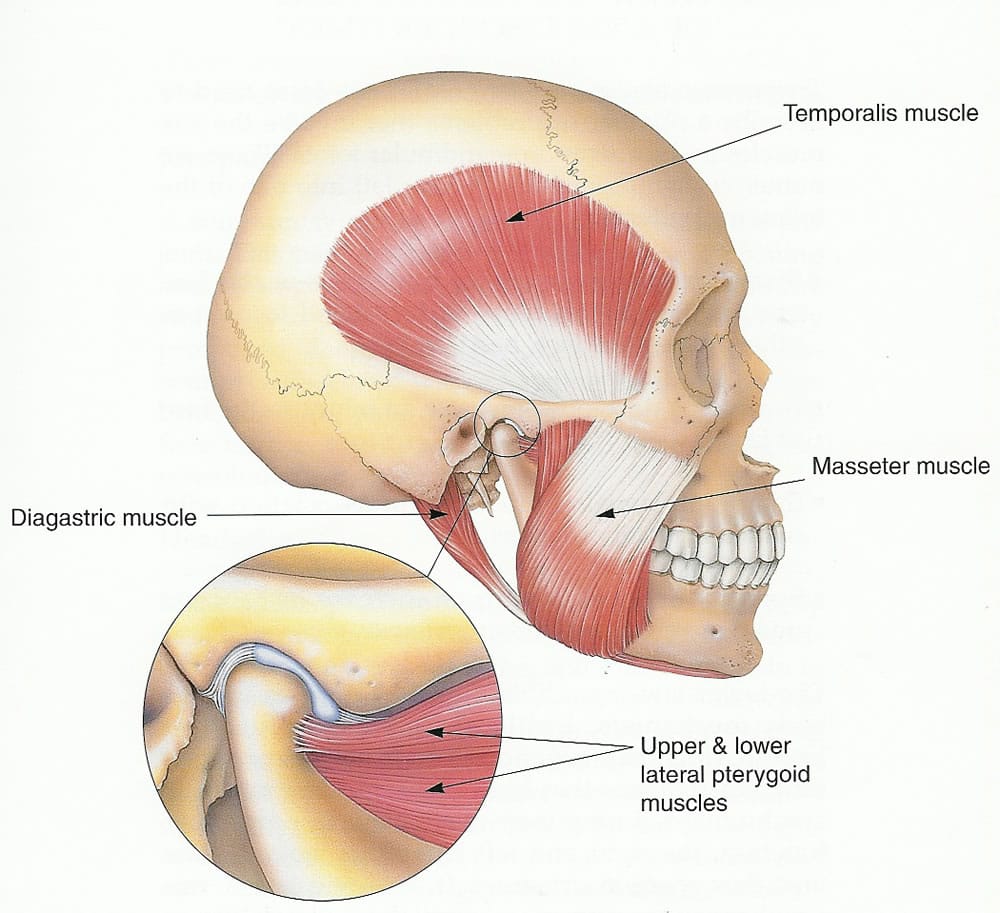
TMD is a collective term used to describe a variety of conditions which affect the jaw (temporomandibular) joints and muscles that control the movement of the lower jaw. They are very common, with many people having some signs of a TMD but only a small number suffering pain or tenderness.
n used for many years to instantly transform smiles. A veneer is a thin shell of porcelain or plastic that is designed to fit precisely over the front surface of your teeth.
What causes Temporomandibular Disorders ?
Other causes include arthritis of the jaw joints or trauma to the jaw joints and surrounding muscles, which can result in dislocation.
What problems may I experience?
These symptoms tend to come and go, often feeling worse during times of stress.
How are Temporomandibular Disorders treated?
There are many effective and simple treatments with studies showing that up to 90% of patients will get better with some self-care, exercises and the use of a customised splint (bite guard) to reduce the tension in the muscles that control the movement of the lower jaw. Occasionally physiotherapy, a course of medication or adjustment of the biting surfaces of the teeth may be of benefit. It is very rare that orthodontics or surgery is indicated for the treatment of temporomandibular disorders.
At RD Dental you will notice we examine your jaw joints and muscles as part of your comprehensive examination so that we can diagnose and address any problems early. If there are any problems you will be referred to our lead dentist, Ritesh Mody, who will be able to advise on the most appropriate treatment. Ritesh has a particular interest in temporomandibular disorders, having spent spent six months of his early career working and teaching at the Temporomandibular Clinic at Manchester Dental Hospital. As there are many myths and misconceptions surrounding temporomandibular disorders, Ritesh is often asked to see patients from Leicestershire and Warwickshire on a referral basis. If you require any further information or would like to arrange a consultation please contact us via phone or email.
We value your privacy
This website uses cookies to improve functionality and performance. Please click accept to continue using this site normally.