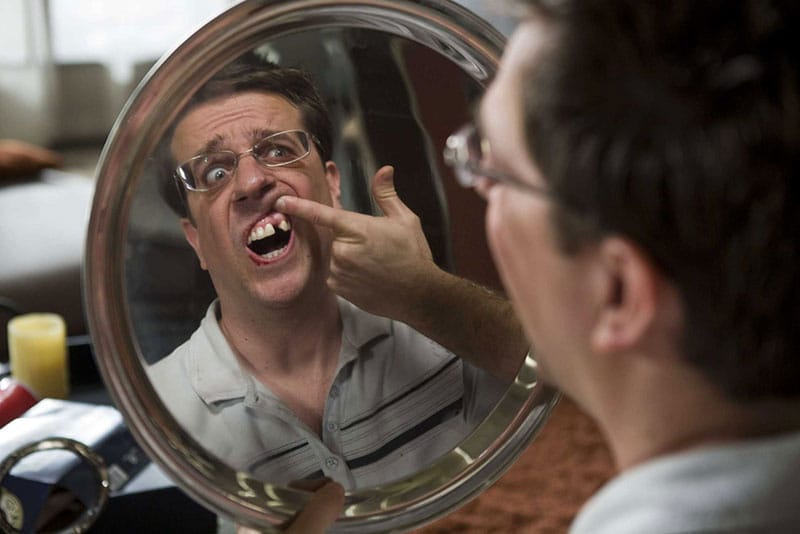
This summer many patients have presented at RD Dental with an injury to their mouth and teeth following a fall, sports injury or a blow to the face. Unfortunately many of these patients did not undertake the appropriate action immediately after the injury, which often results in a poorer long term outcome for the affected tooth/teeth. In our latest blog Vikesh Mody, who lectures to other dentists in Leicestershire and Warwickshire on the management of dental injuries, advises on the appropriate mangement of the most common dental injuries.
How common is a dental injury / dental trauma?
- Dental trauma is very common, with over 1 in 4 of us being affected by the age of 12.
- The most common ages affected are 2-3 years old, when toddlers are starting to explore a bit more, and 9-10 years old maybe due to children starting to play more sports.
- Males tend to be affected more than females.
Common injuries and what to do if these happen:
- Cuts inside the mouth e.g inside of the lips, cheeks, tongue: These tend to bleed a lot because the mouth has a rich blood supply, but tend to heal very well and often no treatment is needed. It is still worth getting your dentist to have a look at these within 24 hours if possible.
- Broken teeth: You should see your dentist as soon as possible who can either reattach the broken fragment or place a filling on the tooth to protect it and make it look the correct shape again. If the tooth is broken closer to the gum level, a root canal treatment may be required.
- Loose teeth: You should see your dentist as soon as possible. If the loose tooth is a baby tooth, often no treatment is required. If it is an adult tooth the dentist may need to place a small brace on the teeth for a short period of time to hold the loose teeth in position until they firm up again.
- Tooth completely knocked out: Baby teeth should not be put back in as doing so may damage the adult tooth underneath. Adult teeth should be put back in the correct place if you are comfortable to do so or be placed in MILK and taken, with the patient, to the dentist urgently. The sooner the tooth is put back in the correct place, the better the outcome, with best results within the first hour.
What can happen to injured teeth in the long term?
After suffering dental trauma, teeth may have no problems at all or may go onto develop problems even many years after the incident; therefore these teeth need careful long term follow-up with your dentist. Problems can include:
- Pain or an abscess
- Tooth becomes a dark colour
- The root of the tooth starts to get dissolved away by the body’s immune system.
In most cases the dentist can often carry out treatment to correct or limit the progression of these problems, but occasionally the tooth may need to be removed and replaced.
What can be done to prevent these injuries?
- See your dentist to get a well-fitting mouthguard made for use during sports, which will significantly reduce the risk of dental injury.
- Supervise children at all times during play
At RD Dental we encourage patients of all ages, particurly those involved in any form of contact sports, to have a custom-made mouthguard. Please contact us if you or anyone in your family would like a custom made mouthguard or if you have concerns about a tooth which has suffered a dental injury.
We look forward to welcoming you.
Ritesh, Devanshee and Vikesh Mody
RD Dental